Sir John Hood and Dr. Phumzile Mlambo-Ngcuka led institutions on a global stage, and both still made time for ALA.
Both served on our Global Advisory Council and were good friends to the Academy. ALA co-founder Chris Bradford reflects on what each of them meant to the Academy.
Sir John Hood
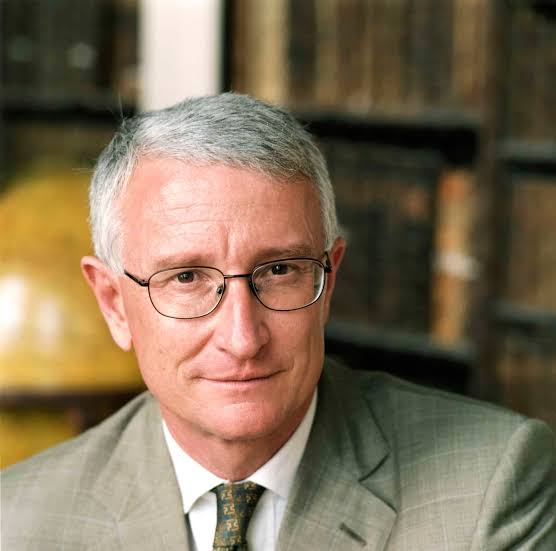
Sir John was Vice-Chancellor of the University of Auckland and then of the University of Oxford. He later became President and CEO of the Robertson Foundation.
“John was an advisor, connector, and friend who championed the work of the Academy,” Bradford said. “He was thoughtful, pragmatic, and deeply committed to the welfare of the world. Despite his many responsibilities, John always seemed to find time for ALA.”
Sir John visited the Academy on several occasions to interview candidates for the Robertson Scholars Leadership Program and to meet with students and faculty.
“He challenged us to strive for excellence and to spread that excellence to other schools across Africa,” Bradford said. “His leadership enabled our accelerator program and the thousands of young people who have accessed quality education as a result.”
As they say in his native New Zealand, haere rā, Sir John.
Dr. Phumzile Mlambo-Ngcuka
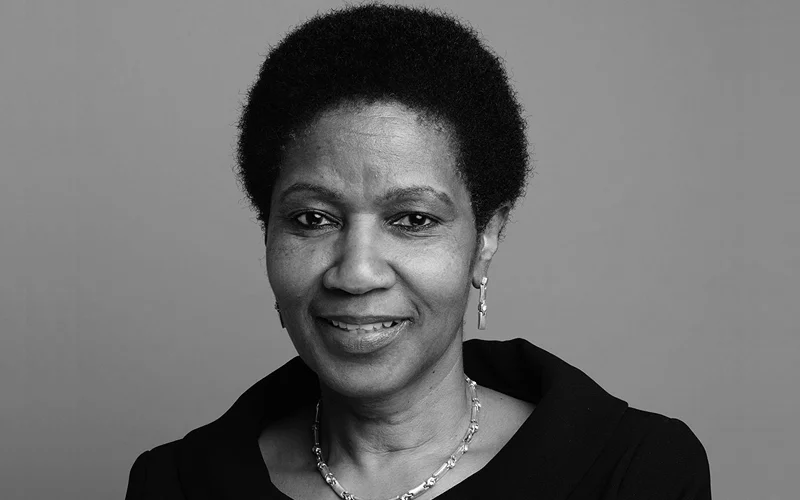
Dr. Mlambo-Ngcuka was the first woman to serve as Deputy President of South Africa, and she led UN Women as Executive Director from 2013 to 2021. Before politics, she was a teacher.
“Ma Phumzile was a friend of the Academy from the beginning,” Bradford said. “A teacher by training and at heart, she lit up when engaging young leaders, as she did on and off campus.”
At the ALA-Winchester International Symposium in 2013, Dr. Mlambo-Ngcuka challenged attendees to champion education, to lead with integrity, and to consider the plight of the girl child. Months later she took up her post at UN Women.
“That became the animating work of the rest of her life,” Bradford said, “as Executive Director of UN Women and champion of the Umlambo Foundation.”
Hamba kahle, Ma Phumzile.
ALA sends its condolences to the Hood and Mlambo-Ngcuka families and to everyone who is grieving them.
We are grateful for the time they gave our students and for their belief in our mission to develop the next generation of African leaders.