
The world powers gathered in Scotland in November 2021, for the 2021 United Nations Climate Change Conference, popularly known as COP26, to hash out a new deal to limit the effects of climate change.
For 12 months prior to the conference, ALA students Paulo Araujo ’20, Makenna Muigai ’20, Panashe Jonga ’20 and Hundaol Huluka ’20 have been conducting research projects into the effects of climate change in various African countries.

Makenna Muigai ’20

Hundaol Huluka ’20
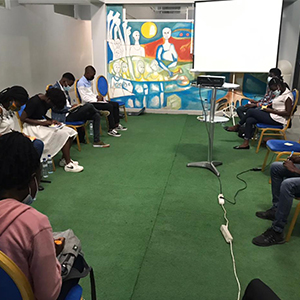
The research group spent a year studying the effects of climate change in Africa
Paulo documented the effects of Cyclone Idai, which hit his hometown of Beira, Mozambique, in 2019, as did Panashe, who spoke to people who experienced it in Zimbabwe. Makenna’s field research showed that many people in Kenya are simply unaware of climate change, even as devastating locust plagues and sudden floods increase. Hundaol’s research also pointed to the close relationship between the changing climate and the swarms of locusts, which have been destroying crops in Ethiopia, and other neighbouring countries.
Paulo Jose Araujo ’20

Panashe Jonga ’20
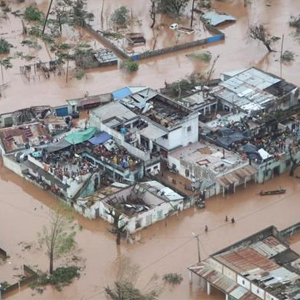
Effects of Cyclone Idai
According to the 2019 State of the Climate in Africa report, compiled by the World Meteorological Organization, large areas of Africa will exceed the 2°C of warming above pre-industrial levels by 2080. The people of Africa, already some of the world’s most vulnerable, are dealing with some of the effects of climate change. In recent months, devastating floods, droughts, and a locust invasion in Eastern Africa signal what the future may hold.
However, Africa’s concerns and African voices continue to be minimized in the climate change conversation. In spite of contributing only a tiny fraction of global emissions per annum, Africa lags behind the biggest emitters like the United States and China when it comes to these debates and negotiations. This is changing, and the participation of ALA student, who conducted this research via photography, focus groups and other tools.
These research projects showed how personal and real the problem of climate change is, from intimate details of what it’s like to lose everything to one of the most powerful cyclones ever recorded, to the shock of the prices of vegetables skyrocketing as harvests are affected. Through these stories, ALA students are showing that Africa cannot afford to pay mere lip service to climate change.
The ALA students published their research in the Herald Scotland, as part of the COP26 debates and conversations. Read more:
- Paulo Araujo ’20: As leaders plan for future, the climate reality is ‘devastating lives’
- Makenna Muigai ’20: Many in Kenya are not aware of the climate emergency facing their country
- Panashe Jonga ’20: Cyclone Idai’s devastation reveals brutal impact of climate emergency
- Hundaol Huluka ’20: Ethiopian communities are fighting locust swarms for survival


